
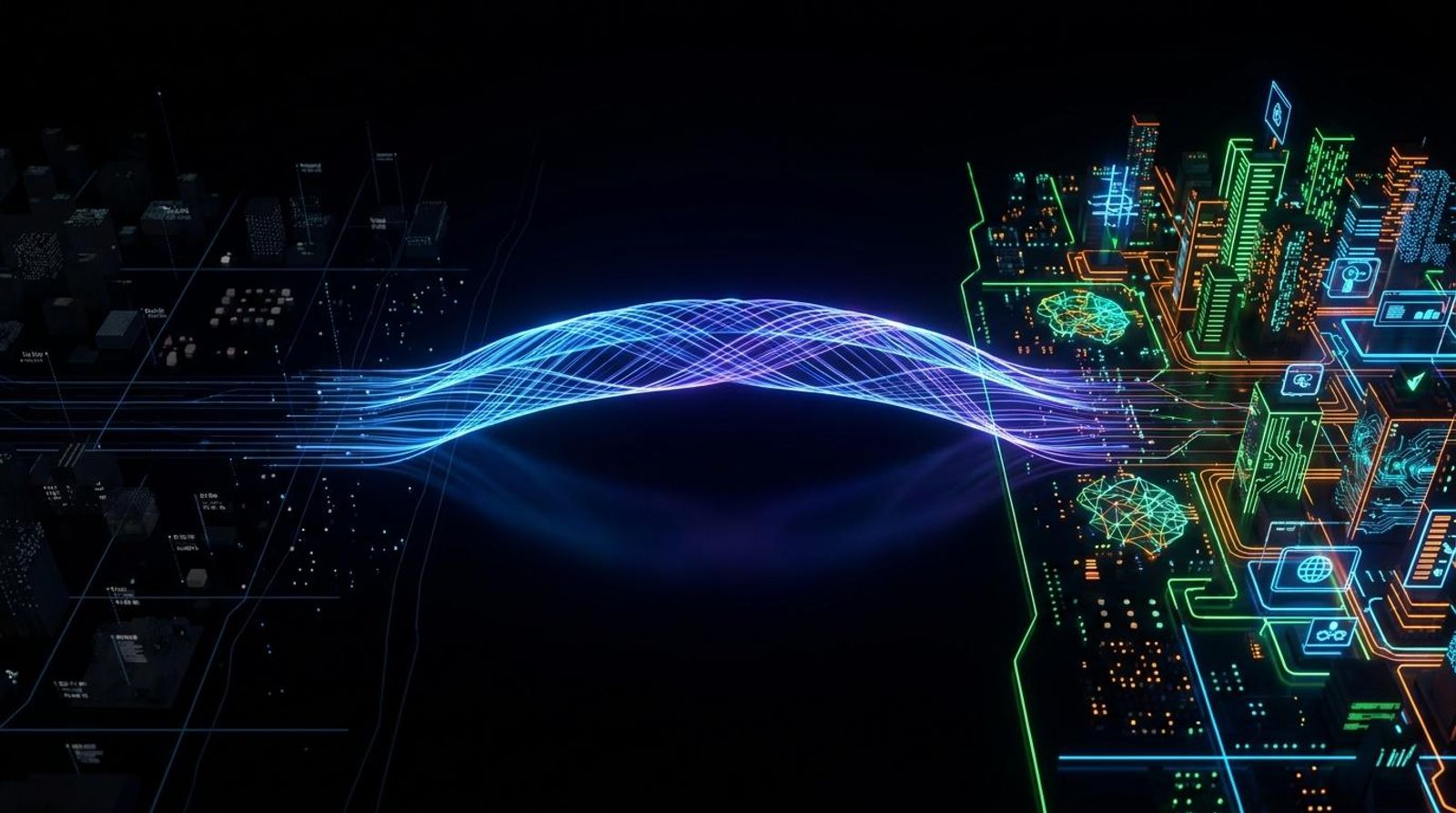

Millions of dollars in performance marketing are lost due to the persistent "fragile chasm" between landing pages and shopping carts. In 2026, a static, one-size-fits-all digital storefront is considered commercial negligence. The traditional e-commerce landing page is obsolete; the era of Agentic E-commerce has arrived, where autonomous entities are the primary arbiters of transactions.
"Brands with legacy web architecture face significant liabilities, and their acquisition spend is 'burning up on atmospheric reentry' if not adapted."
The New Shopper is Not Human: The Rise of Customer Agents
The "Concierge Era" is here. By 2026, the primary e-commerce interface is the Customer Agent—personal AI concierges that research, negotiate, and execute purchases on behalf of consumers. Consumers delegate purchasing decisions to these agents, providing parameters like budget, style, durability, and ethical standards.
Agents then evaluate thousands of SKUs rapidly, bypassing traditional user interfaces. This enables "Zero-Click" purchases for routine refills or high-certainty transactions, transforming the shopping "journey" into a background process. Merchants must shift from reactive "How can I help you?" to anticipatory "I’ve already curated three options based on your previous fit data; which should I ship?"
Solving the Mid-Funnel Crisis
The "mid-funnel" (initial product interest to adding to cart) has historically been the most vulnerable segment, with brands losing revenue to decision paralysis from infinite scrolling and complex comparisons. AI offers a definitive solution by eliminating cognitive load. Manual filters are obsolete.
Biometric Integration
Facial and thumbprint recognition are standard, eliminating "password reset" abandonment.
Hyper-Relevant Proof
AI injects verified social proof at precise moments of hesitation.
IntelliAssist's focus on "owning the e-commerce mid-funnel and reducing CAC" is driven by the profitability of preventing hesitation over recovering abandoned carts.
Architecting the Future: Generative UI and Instant Storefronts
The traditional "destination" website is replaced by Instant Storefronts, distributed commerce nodes that exist wherever the consumer is (video streams, social feeds, voice assistants). The "One-Thread Journey" from discovery to checkout occurs within a single, fluid interaction.
Generative UI builds user interfaces on the fly, customized in real-time for each visitor. If a consumer values sustainability, the generated landing page highlights eco-friendly shipping; if price-driven, it leads with discounts and dynamic bundles.
The End of SEO: Winning with Programmatic AEO
In an agentic ecosystem, traditional SEO is a relic. The new battleground is AEO (AI Engine Optimization). E-commerce architecture must be machine-readable, transitioning to API-first, "headless" structures.
Brands must use Programmatic AEO to optimize product data for selection by Large Action Models (LAMs) and personal assistants, ensuring products are chosen before human eyes see a screen. Mastering "Programmatic AEO, hyper-personalization, and intelligent CRO" is crucial for visibility in AI-curated ecosystems.
Data-Driven Imperatives for 2026
Agent-Led Conversion Rate 90%+
Manual Human Conversion Rate 5.2%
Friction Reduction (Time-to-Cart)-60%
The "fragile journey" of 2026 is about the data handshake, not human navigation. Businesses must abandon isolated "websites" and architect Commerce Intelligence Hubs—dynamic, API-first environments navigable by both humans and AI agents.
Ready for the Agentic Future?
Share this article
Help others discover this content