
What makes someone click that “Sign Up” or “Buy Now” button? Why do some landing pages convert like magic, while others leave visitors scrolling away in seconds? The difference often comes down to clarity, trust, and a little bit of psychology. In 2025, creating a high-converting landing page isn’t about fancy design—it’s about human connection through smart user experience, fast performance, and meaningful personalization.
Understanding the Purpose of a Landing Page
A landing page is your online salesperson—focused, persuasive, and tailored to one goal: conversion. Whether you’re driving sign-ups, downloads, or sales, the key is eliminating distractions and guiding the visitor toward one decisive action.
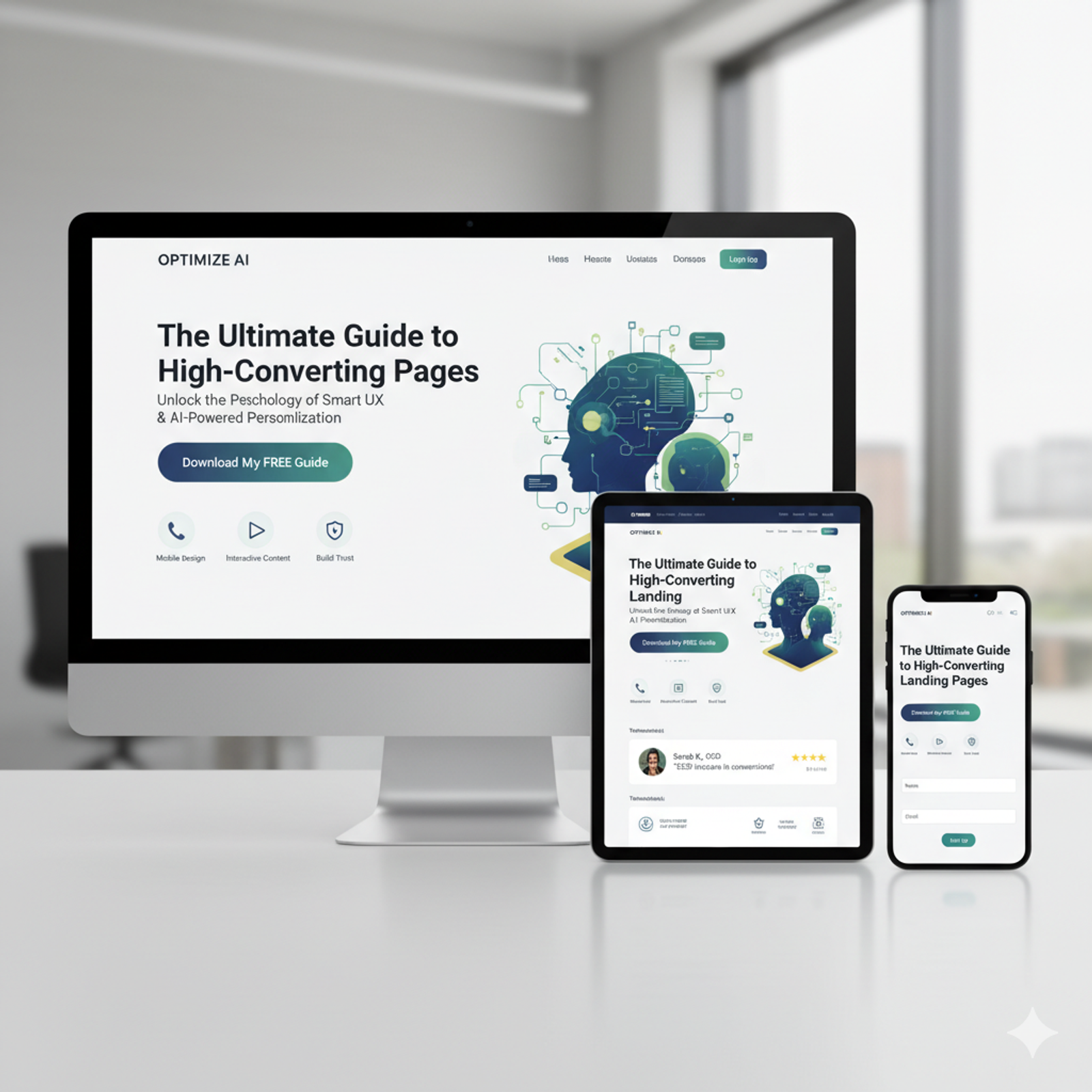
Effective landing pages avoid clutter. Instead, they blend a compelling headline, engaging visuals, and a call to action (CTA) that removes hesitation. Supporting elements such as testimonials, simple contact forms, and trust signals—like verified reviews or security badges—turn curious visitors into committed customers.
The Rise of Landing Pages: How We Got Here
Landing pages have evolved dramatically since their early 2000s debut. What began as static, text-heavy ad destinations has now become interactive visual experiences.
- Early 2000s: Simple HTML pages tied to pay-per-click campaigns.
- Mid-2000s: A/B testing became the marketer’s secret weapon.
- 2009 Onward: Platforms like Unbounce and HubSpot democratized landing page creation, bringing design control to non-developers.
- 2010s: Mobile-first design reshaped UX expectations.
Today's landing pages? They’re intelligent, adaptive, and personalized—powered by data, analytics, and, increasingly, artificial intelligence.
Landing Pages in 2025: What Works Now
The average conversion rate across industries in 2025 hovers around 6.6%, with top performers reaching 12–13% depending on niche and offer type. Below are the practices driving that success.
1. Design for Mobile First
More than 70% of web traffic now comes from mobile devices. Design should start small and scale up—ensuring every touchpoint, CTA button, and image loads perfectly.
2. Embrace Clean Minimalism
Whitespace isn’t empty—it’s intentional. Simplicity keeps users focused on your message, not distractions. A clean layout signals confidence and professionalism.
3. Personalize the User Journey
Generic landing pages are dead. In 2025, personalized CTAs convert over 200% better than general ones. Dynamic experiences—customized headlines, images, and copy—make visitors feel seen and understood.
4. Use Interactive and Video Content
Adding a personalized video can boost conversion rates by up to 86%. Tools like interactive calculators or product demos keep visitors engaged beyond the first few seconds.
5. Build Instant Trust
People decide in seconds whether your page feels credible. Authentic testimonials, case studies, partner logos, and transparent pricing all reinforce confidence.
6. Speed is Non-Negotiable
Every second of delay can drop conversions dramatically. Using image compression, lightweight code, and a content delivery network (CDN) ensures near-instant load times.
The AI Revolution in Landing Page Design
Artificial intelligence is transforming how landing pages are built, tested, and refined. Platforms like Wix ADI, Unbounce Smart Builder, and Bigly Sales now analyze user behavior in real time, predicting which headlines, color schemes, and CTA placements will convert best.
Here’s what AI brings to the table:
- Predictive Analytics: AI can forecast which design elements drive action before testing even begins.
- Hyper-Personalization: Every visitor can see a version of the page that reflects their intent, location, or behavior.
- Real-Time Optimization: Pages auto-adjust based on live interactions—refining copy, visuals, or CTAs on the fly.
Early adopters have reported up to 25% higher conversion rates with AI-optimized pages and reduced bounce rates by nearly 30%.
Common Controversies and Design Dilemmas
Great landing pages require balance—between persuasion and ethics, creativity and clarity.
- Above-the-Fold vs. Long Scroll: While your value proposition should appear instantly, don’t cram everything into one screen. Story-driven pages with logical flow often outperform short layouts.
- The Dark Pattern Debate: Tricks like hard-to-close pop-ups or subscriptions by stealth may offer short-term wins but destroy trust long-term.
- Privacy vs. Personalization: Use data ethically. Transparent consent and secure handling are essential to customer trust.
- Overuse of Overlays: Exit-intent pop-ups can work—but overwhelming visitors often backfires.
The Next Frontier: What’s Coming Next
Landing pages in the near future will be driven by immersive technologies and real-time intelligence:
- AI Copy Assistants: Auto-generating copy tailored to user emotions.
- Voice & Conversational Interfaces: Chatbots and voice-guided CTAs that convert naturally.
- Augmented & Virtual Reality: Imagine trying on shoes, touring a resort, or visualizing furniture in your space—directly through your landing page.
- Neuromarketing & Predictive Testing: Using eye-tracking and emotion analysis to fine-tune messages that resonate.
Lessons Learned from Top Performing Pages
What do successful landing pages have in common? Clarity, empathy, and credibility. Each element—from your value proposition to your visuals—must align with what your audience truly wants.
To make it tangible:
- A SaaS brand improved conversions by 40% after simplifying copy and adding an explainer video.
- An e-commerce store gained 25% more sales after optimizing mobile load time from 5 seconds to 2.
- A coaching business doubled lead generation by swapping generic CTAs for personalized ones using AI tools.
Bringing It All Together
High-converting landing pages are no longer about flashy designs or aggressive tactics—they’re about thoughtful storytelling powered by data and empathy. Every scroll, click, and form submission tells a story, and when designed right, that story ends with a conversion.
Whether you’re launching a product, running a campaign, or simply trying to connect—remember: your landing page isn’t just a stop. It’s your brand’s first handshake, and when done right, it opens the door to lasting relationships.
Share this article
Help others discover this content