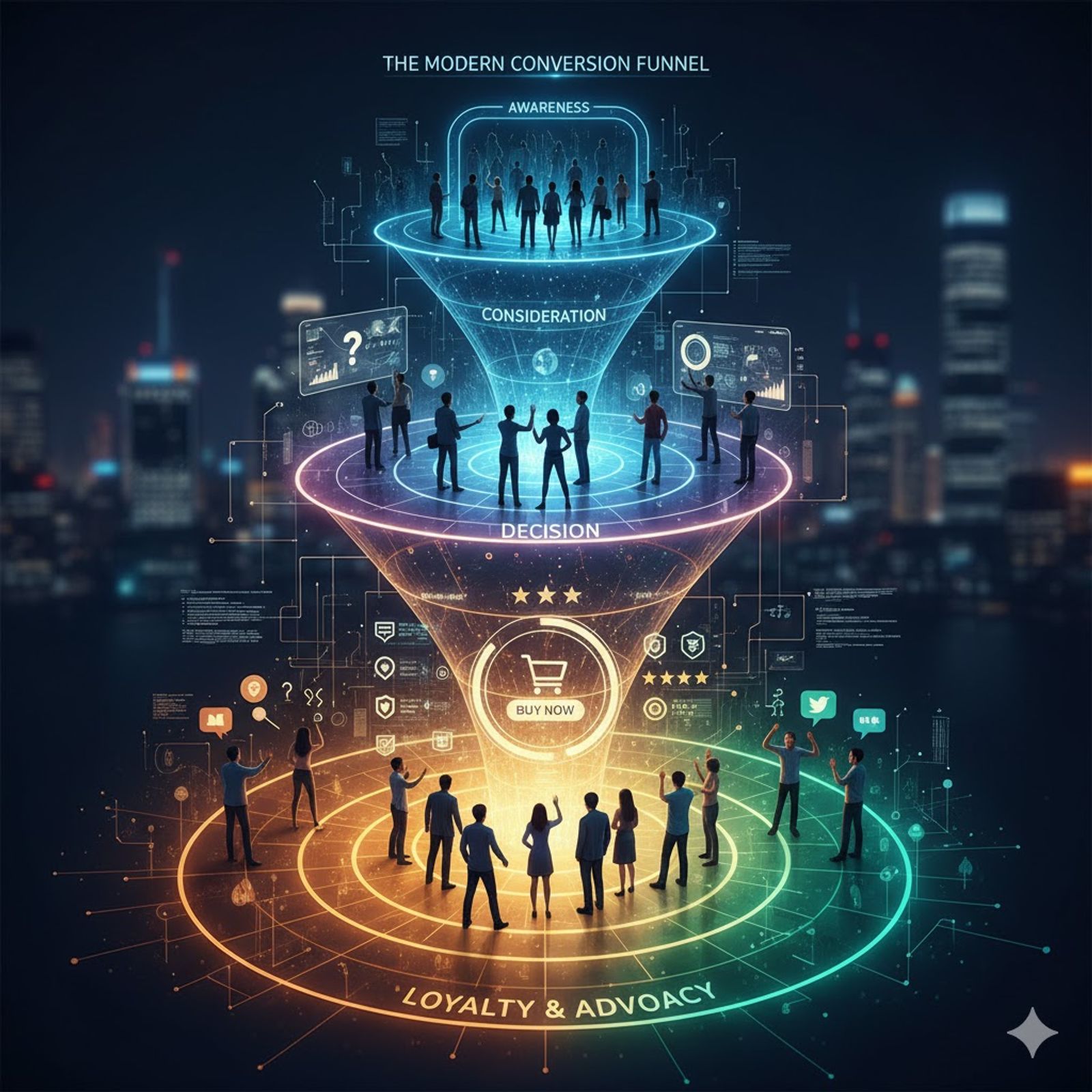

Have you ever wondered why some websites turn casual visitors into loyal fans, while others struggle to move the needle? Or why sometimes, despite all your efforts, people abandon their carts or leave your site without a trace? If so, you're not alone. Marketers and business owners everywhere ask these questions. The answer lies in understanding and mastering the modern conversion funnel.
The Real Purpose of a Conversion Funnel
At its simplest, a conversion funnel is a way to visualize how people move from discovering your brand to taking a meaningful action—like making a purchase or signing up for updates. But things get interesting when we dig deeper. Building, tracking, and fine-tuning this funnel isn’t just about boosting numbers; it's about shaping an experience that guides, reassures, and excites your audience.
The Key Stages of the Funnel
- Top of the Funnel (TOFU): Awareness
This is where potential customers first discover your brand. Maybe they stumble upon your blog, see a viral video, or notice a social media ad. Your goal? Capture their attention and spark curiosity.
- Middle of the Funnel (MOFU): Consideration
Now that you’ve intrigued them, it’s time to answer questions and nurture their interest. This might be done through detailed guides, webinars, case studies, or well-crafted emails.
- Bottom of the Funnel (BOFU): Decision
Here, people are ready to act. Clear calls to action, no-nonsense checkout processes, and trust-building elements make all the difference.
- Beyond Purchase: Retention and Advocacy
The journey doesn’t stop after the sale. Exceptional service, rewards, and thoughtful follow-up transform buyers into passionate advocates who spread the word.
Why Data and Personalization Matter More Than Ever
Gone are the days of guessing what customers want. Today’s winning funnels rely on robust data and smart segmentation.
- Tracking What Matters:
Metrics like Cost Per Acquisition (CPA), conversion rates, and customer lifetime value (CLV) provide a pulse on performance. Integrating data from analytics tools, e-commerce platforms, and customer relationship systems paints a clear picture.
- Segment and Personalize:
Every customer is unique. Using behavioral and demographic insights, brands are crafting tailored experiences—think curated product recommendations, personalized emails, and content that speaks directly to someone’s needs.
- Lifecycle Value:
Smart marketers know the first sale isn’t the last. Using entry-level offers or free trials, they nurture leads along paths that encourage upgrades and repeat business, maximizing customer value over time.
A Look Back: How Did We Get Here?
The conversion funnel has roots stretching back over a century:
- 1898: AIDA Model
Elias St. Elmo Lewis introduced the "Attention, Interest, Desire, Action" framework, laying the groundwork for sales techniques still used today.
- 1924: Visualizing the Funnel
William W. Townsend used the image of a funnel to illustrate how prospects are narrowed down, step by step, to a final yes.
Fast forward to the digital age, and everything changed. Shoppers now control the journey—reading reviews, comparing brands, and jumping between channels at will. Marketers have responded with more flexible, multi-touchpoint funnels designed for today’s messy, non-linear paths to purchase.
Modern Trends: What’s Hot in CRO Right Now?
Conversion Rate Optimization (CRO) was once all about tweaking pages and running basic A/B tests. Today, it’s an integrated, customer-first practice powered by technology and insight.
- AI-Powered Personalization:
Artificial intelligence can now tailor content, offers, and recommendations in real time, making every interaction feel one-of-a-kind.
- Full-Journey Optimization:
It’s not just about landing pages. Leading brands optimize every touchpoint—from social ads to emails to customer support.
- Seamless User Experience:
Fast loading, intuitive navigation, and mobile-friendly design are must-haves. Even small hiccups can lose a customer’s trust.
- Building Trust:
Genuine reviews, user-generated content, security badges, and clear privacy policies establish credibility and set brands apart.
- Zero-Party Data:
As browsers phase out third-party cookies, brands are gathering data directly from customers through quizzes, surveys, and preference centers—creating personalized experiences people actually enjoy.
The Challenges: Is the Funnel Still Relevant?
Let’s be real—the classic, step-by-step funnel has its critics.
- Too Linear:
Real people zig-zag between stages, do their own research, and jump between devices. Modern funnels need to reflect these complex journeys.
- Forgetting Loyalty:
The biggest missed opportunity? Stopping at conversion. Building loyalty and encouraging advocacy are now just as vital as the initial sale.
- Customer-Centric Mindset:
Funnels work best when they solve real problems—not just push products. Empathy and understanding trump hard-selling every time.
- Untrackable Touchpoints:
Not all influential moments are measurable. Word-of-mouth, private conversations, and offline experiences can’t always be tracked, but they matter.
What’s Next? The Future of Conversion Funnels
Looking ahead, new tech and consumer expectations are rapidly reshaping strategies:
- Generative AI for Testing:
AI tools now generate and test messaging, layouts, and visuals—quickly identifying what resonates and adapting in real time.
- Optimizing for Voice and AI Search:
As voice assistants and AI-powered searches grow, content must be easily discoverable through natural, conversational language.
- Immersive Experiences with AR and VR:
Imagine “trying on” products virtually or previewing purchases in your home with augmented reality. These tech breakthroughs drive deeper engagement and faster decisions.
- Experience Optimization (XO):
The focus is shifting from isolated conversion points to the entire customer experience. Brands are striving to delight at every step, building lasting relationships rather than pursuing one-off sales.
Lessons Learned: Building Your Best Funnel
- Start by understanding your audience's real questions and concerns. Chances are, they want reassurance, clarity, and confidence in their decisions.
- Personalization, transparency, and trust aren’t just trends—they’re must-haves.
- Focus on every aspect of the journey, not just the finish line.
- Always look for new ways to listen, test, and improve.
In the end, successful conversion funnels aren’t about squeezing people through a process. They’re about guiding each visitor on a meaningful journey—building trust at every turn, so by the time they reach the bottom of the funnel, the next step feels easy and obvious.
Ready to refine your own funnel? Start by asking: what does my audience really need—and how can I genuinely help them reach their goals? That’s where the magic happens.
Share this article
Help others discover this content