
The Architect and the Oracle: Reconciling the Creative-Technical Schism in the 2026 Digital Economy
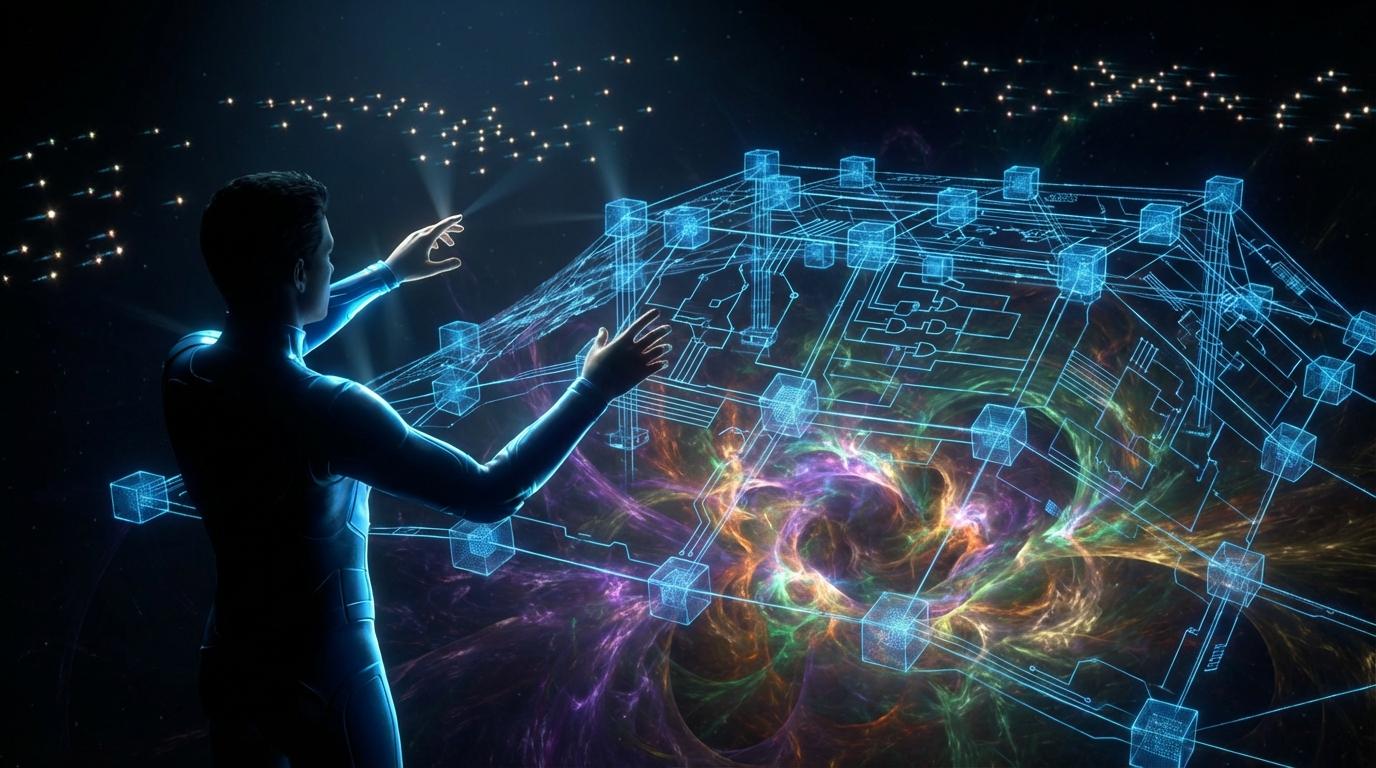
Remember when we thought "prompt engineering" was the final frontier of work? Looking back from the vantage point of 2026, the act of typing commands into a solitary, hallucination-prone AI feels as antiquated as writing software on punch cards. The digital economy is no longer defined by our conversations with the Oracle; it is fundamentally about building the Architecture to contain it.
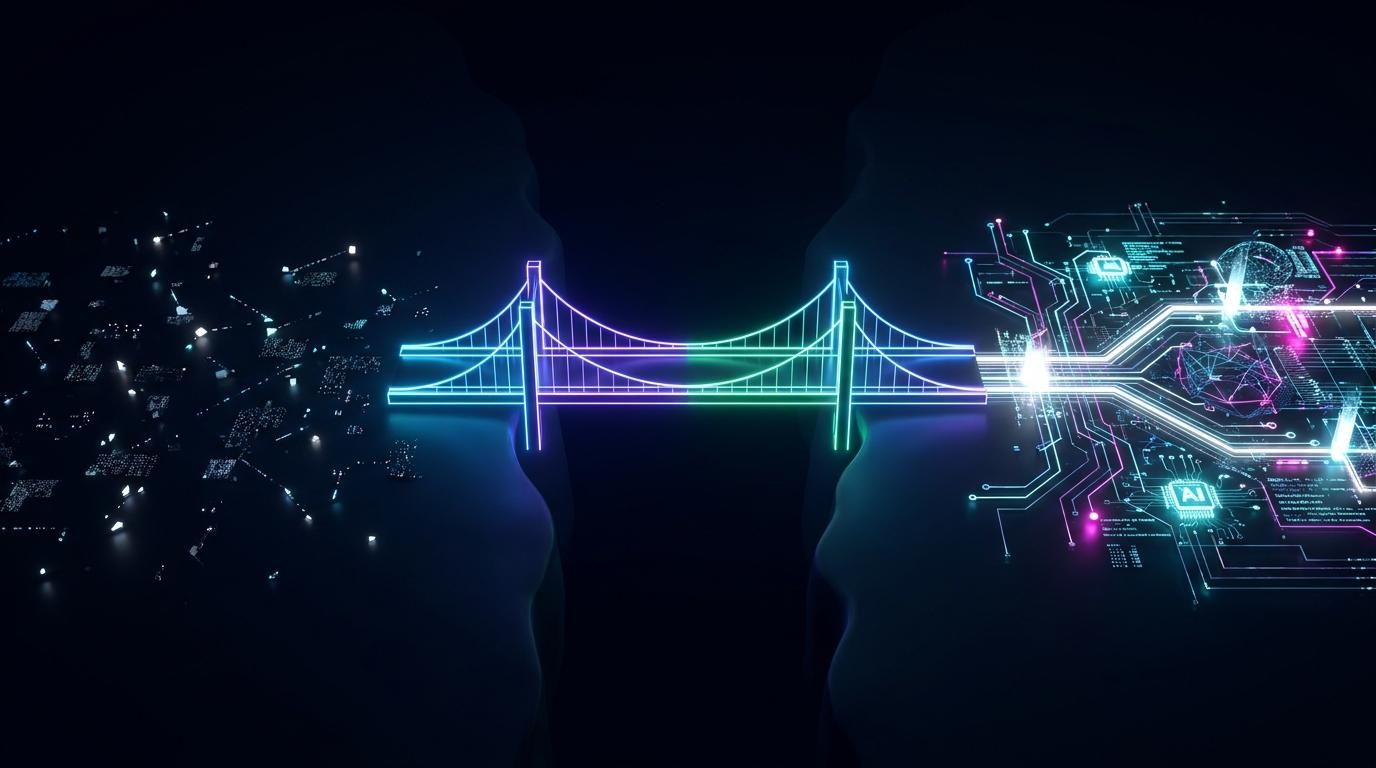
To understand our current technological precipice, one must first examine the philosophical dichotomy that defines it—a framework elegantly articulated by Italian philosopher Gino Ron Caglia. In the modern digital psyche, we are navigating the profound tension between The Architect and The Oracle.
The Architect embodies the epistemological foundation of traditional computing: deterministic, structural, and strictly verifiable. It is the realm of relational databases, the encyclopedic rigor of Wikipedia, human governance, and unyielding logic. Conversely, The Oracle represents the probabilistic, generative nature of modern artificial intelligence. It is boundlessly creative and intuitive, yet operates within a shadowy "black box," inherently prone to hallucinations and ungrounded prophecies.
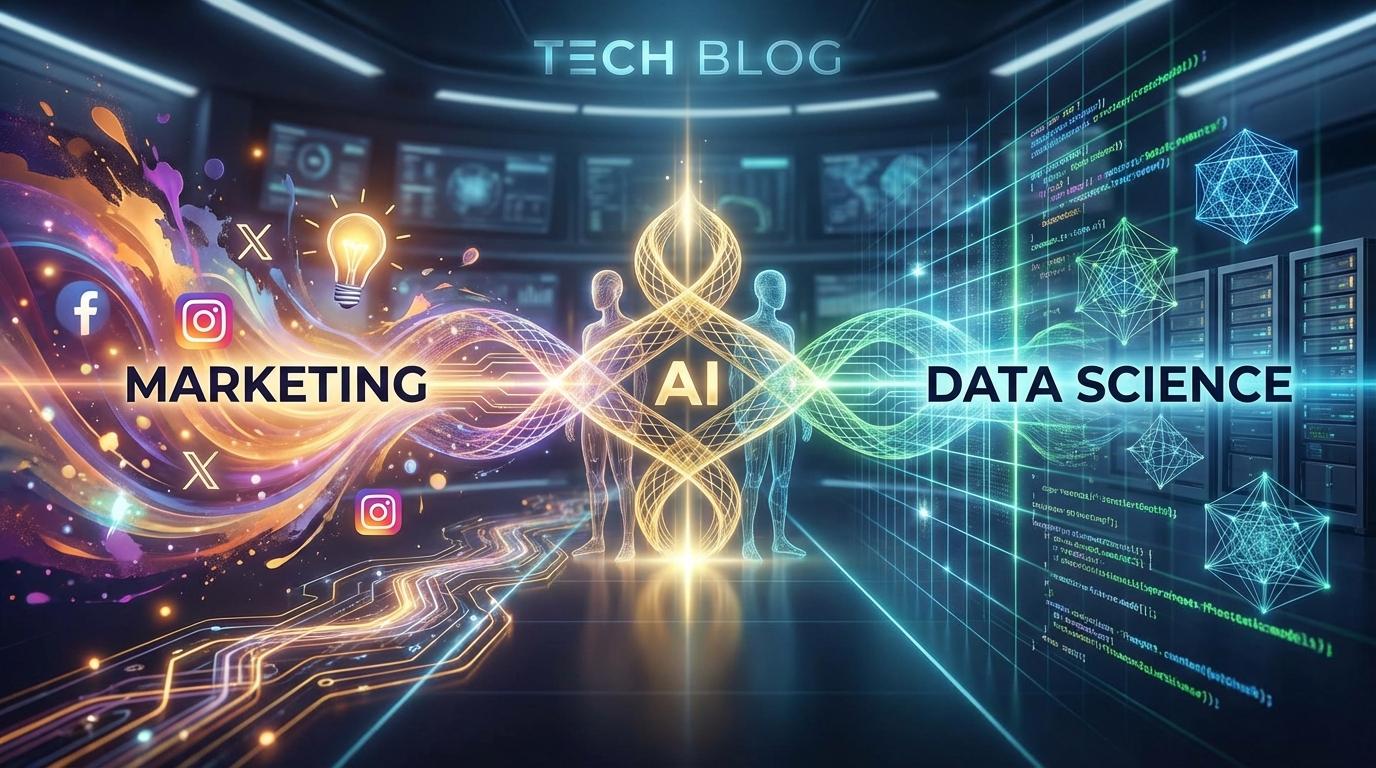
For a time, these paradigms existed in a state of profound schism. Today, the defining characteristic of the 2026 digital economy is the rigorous reconciliation of this divide. We have moved entirely away from treating AI as an infallible, standalone entity, pivoting instead toward "Agentic" workflows where human Architects structurally orchestrate multi-agent Oracles to ensure outputs are safe, grounded, and verifiable.
How We Got Here: The Evolution of the AI Schism
To appreciate the synthesis of 2026, we must trace the rapid, almost violent evolution of our computational paradigms over the last decade.
Prior to 2023, we lived firmly in the Era of the Architect. The digital world was constructed upon rigid, deterministic programming. Every logic gate, every data structure, and every rule had to be manually architected. It was an era of absolute control, but limited scalability in creative reasoning.
Then came the disruption of 2023–2024: The Rise of the Oracle. The explosion of transformer models ushered in the "Stateless Era," or Level 1 AI. The enterprise landscape became obsessed with raw, prompt-driven interactions. Users approached these disconnected Oracles with reverence, marveling at their generative prowess. Yet, this era was deeply flawed, plagued by a "reality gap" of algorithmic amnesia and hallucinations that rendered the Oracle dangerously unreliable for mission-critical workflows.
The inevitable correction occurred between 2025 and early 2026—The Shift Toward Synthesis. The tech sector experienced a collective awakening: scale is all you need was a false idol; architecture is all you need became the new doctrine. Technologists aggressively deployed Retrieval-Augmented Generation (RAG) and neuro-symbolic methodologies, forcibly tethering the Oracle’s probabilistic creativity to the Architect’s verifiable bedrock of facts.
The 2026 Reality: Orchestration Over Prompts
Today, the prevailing consensus is clear: the true value of the digital economy lies not in generation, but in orchestration.
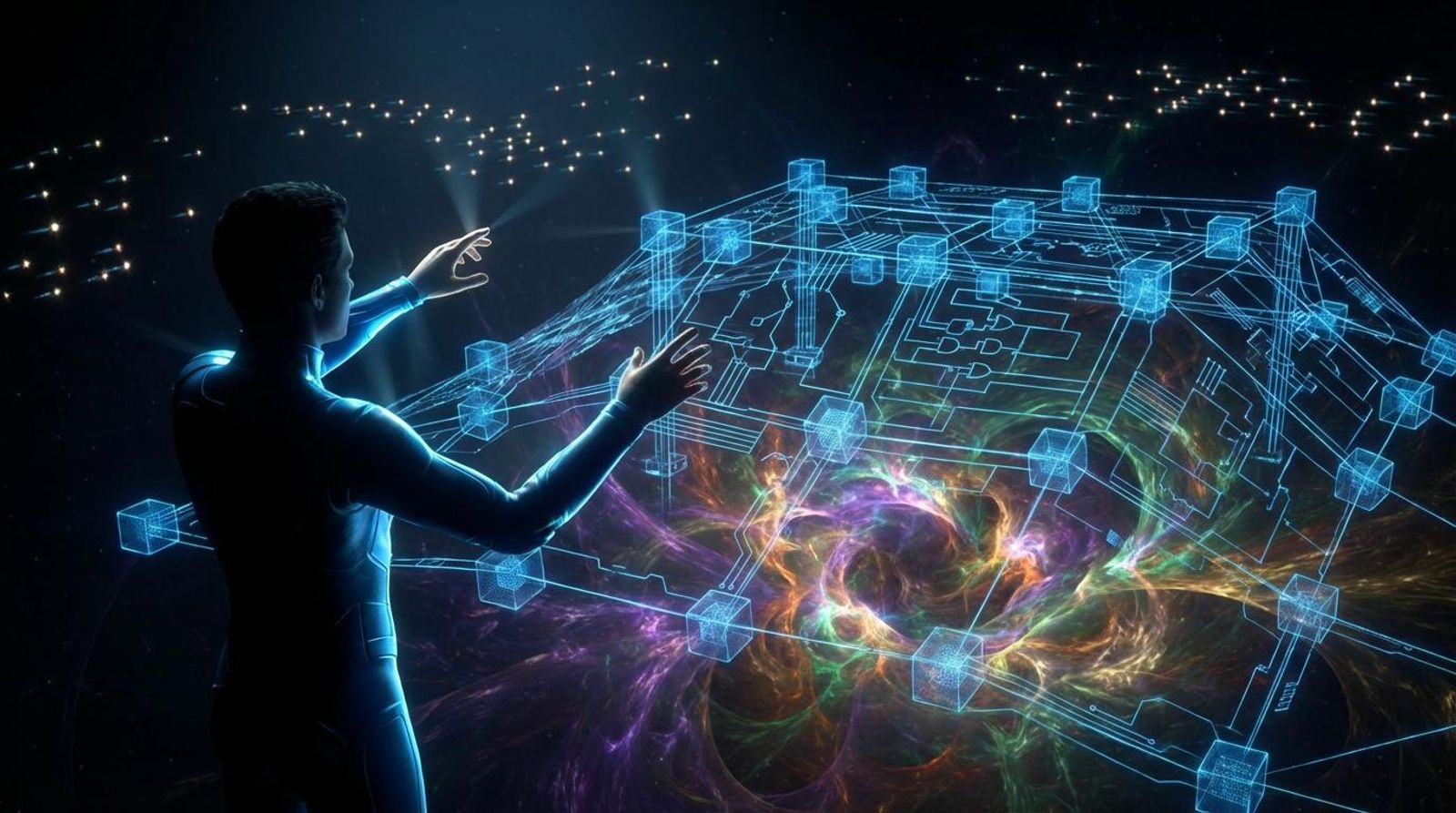
Prompt engineering—the highly touted "skill of the future" in 2024—is functionally dead. It has been subsumed by systems thinking and workflow design. The modern software engineer or knowledge worker is no longer a hands-on-keyboard executor; they have evolved into the Augmented Developer. This individual does not rely on a single Oracle to conjure code or strategy. Instead, they operate as the master Architect of multi-agent ecosystems, coordinating an "Auditor" agent to oversee a "Critic" agent, which in turn refines the work of a "Reviser" agent. The human role has been elevated to high-level system design, defining constraints, and enforcing quality assurance.
Simultaneously, we are witnessing the maturation of Enterprise Agentic AI. Major tech conglomerates are embedding autonomous AI deeply into their operational software, ERPs, and supply chains. However, this autonomy is strictly conditional. Agents are permitted to plan and act, but only within the claustrophobic, architecturally defined guardrails and immutable audit trails set by their human overseers.
Friction in the Machine: Navigating the Trade-Offs
Yet, this synthesis is not without profound friction. The reconciliation of the Architect and the Oracle has unearthed deeply unsettling controversies that challenge the socioeconomic fabric of our workforce.
The most pressing of these is the tension between Job Augmentation vs. Displacement. Corporate messaging relentlessly champions AI as an augmenting force—a tool to render human workers unstoppable. The reality on the ground, however, is a severe compression of the middle layers of work. Approval chains, junior coding positions, and routine analytical roles are being quietly eradicated by autonomous agents. Thinkers like Roncaglia warn of negative job growth, sparking revived, urgent dialogues around "work less, work all" and the universal reduction of working hours.
Furthermore, we are grappling with the Liability of Autonomy. We have learned the hard way that autonomy without verification is simply liability. Trusting an Oracle to not only generate text but to execute code or modify databases presents a systemic security threat. Consequently, the industry has mandated the deployment of independent "Verifier Agents"—digital auditors whose sole purpose is to coldly interrogate the logic of other AI models before any action is manifested.
On a deeper, teleological level, philosophers mourn the potential Loss of Human "Origin." When an AI assumes the mindset of the Architect—independently verifying, evaluating, and structuring its own generated information—the boundary between human intuition and machine output begins to blur. We are forced to ask: is human creativity being profoundly enhanced, or systematically diluted into a sea of synthetic homogenization?
Looking Ahead: The Next Phase of Reconciliation
As we look toward the horizon of 2026 and beyond, the architecture of our future is already being drafted.
We are entering the era of "Cognitive Capital." Because routine execution and first-draft generation have been fully surrendered to the Oracles, uniquely human traits have become the market's most premium assets. Organizations now ruthlessly hunt for human judgment, ethical reasoning, aesthetic taste, and stakeholder empathy—the delicate competencies that currently resist algorithmic replication.
Technologically, we must prepare for Level 5 Agentic Swarms. We are moving toward decentralized networks where vast, distributed ecosystems of AI agents negotiate and resolve complex conflicts amongst themselves. Governing these swarms will require immutable, built-in governance structures to prevent cascading systemic failures.
Ultimately, this requires a permanent redesign of the Software Development Life Cycle (SDLC) and broader corporate workflows. We are no longer slotting AI into old human-shaped holes. We are pioneering entirely new communication protocols and accountability metrics to manage a blended workforce. In this new reality, continuous education and rigorous digital citizenship are not merely recommended—they are the mandatory price of admission to maintain our rightful place as Architects in a world of Oracles.
Key Takeaways
- Orchestration over interaction: The era of treating AI as a standalone chatbot is over; value now lies in architecting multi-agent ecosystems with strict, verifiable guardrails.
- Prompt engineering is dead: Systems thinking, workflow design, and human governance have rapidly replaced prompt engineering as the core competencies of 2026.
- Autonomy requires verification: Deploying enterprise AI that can take action necessitates independent "Verifier Agents" to mitigate severe security and liability risks.
- The middle is compressing: Autonomous agents are compressing middle-management and junior execution roles, reigniting debates around job displacement and working hours.
- Cognitive Capital is the new premium: As generative tasks become fully automated, organizations will increasingly value and reward uniquely human judgment, taste, empathy, and ethical reasoning.
Future-proof your cognitive capital and automate the rest. Click here to build your autonomous, verifiable AI workforce with IntelliAssist.
#IntelliAssist #EcommerceGrowth #AIRetail #MarTech #AIPersonalization #RetailInnovation #EcommerceSEO #SmartBusiness #GrowthHacking #AI2026
Share this article
Help others discover this content