
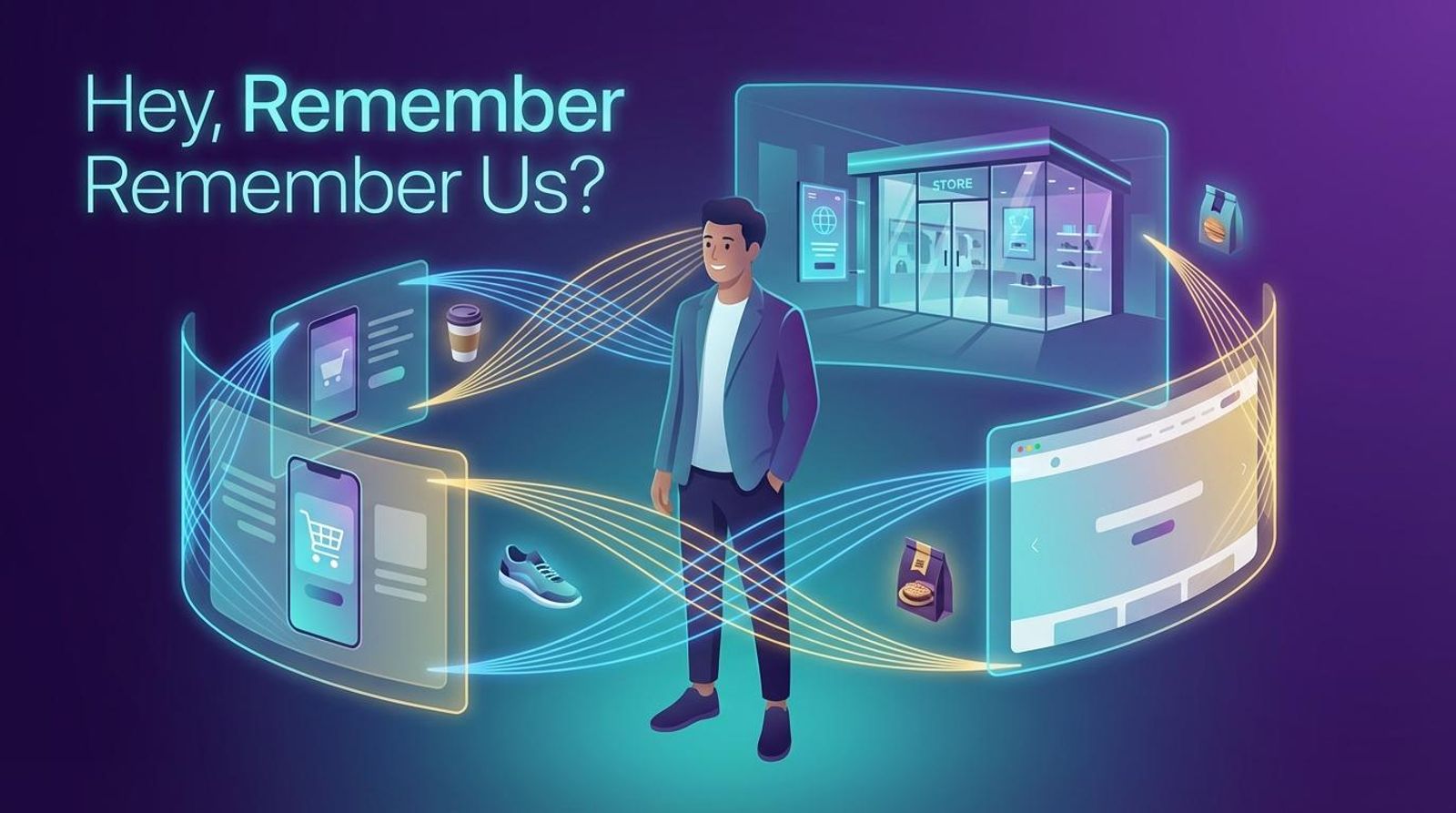

Hey, Remember Us? The Art of Staying Top-of-Mind (Without Being a Stalker)
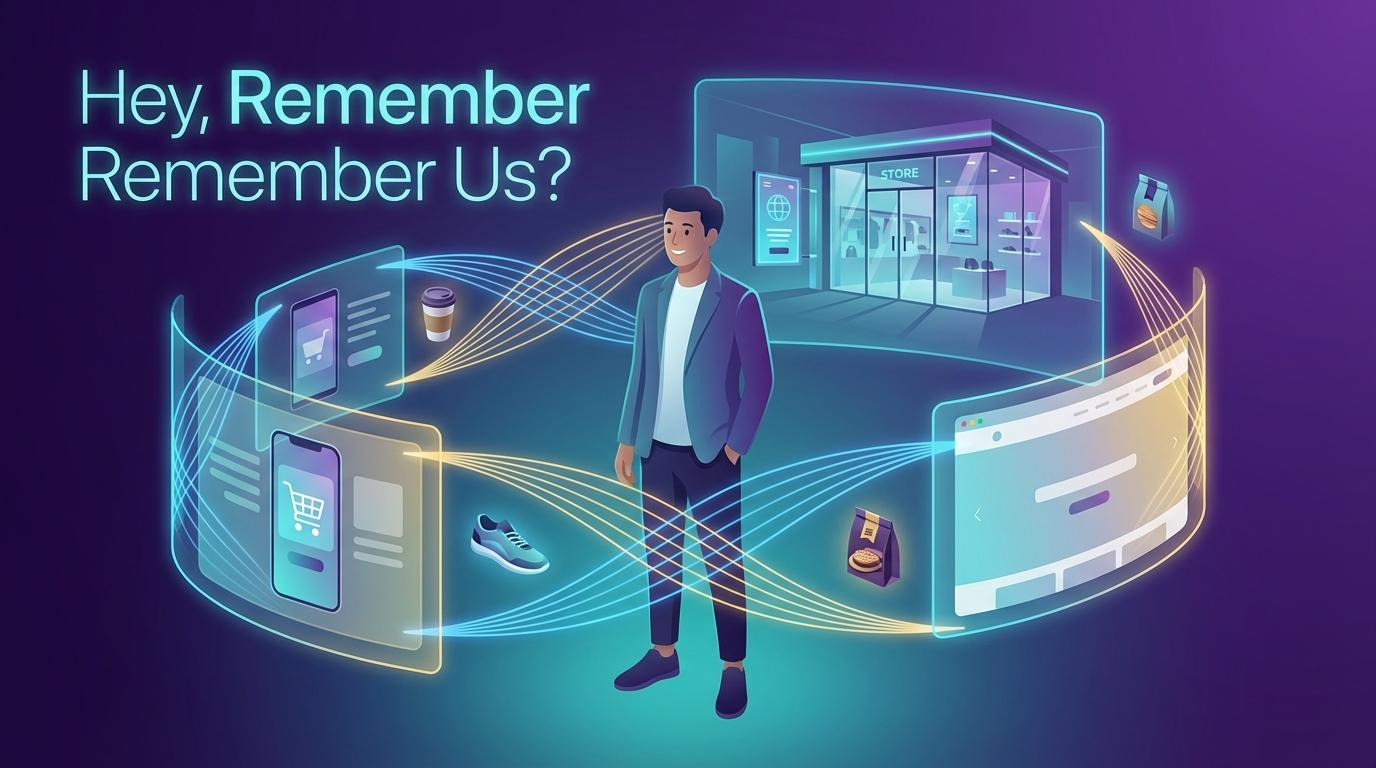
We inhabit a world of perpetual, glittering distraction. Consider the abandoned online shopping cart—a distinctly modern kind of digital ruin. We have all been there: you diligently fill a cart with artisanal cheese or running sneakers, but before the transaction is finalized, a cat video intervenes, an email arrives, and the intent vanishes into the ether. Silence follows.
Enter the concept of "Omnichannel Re-engagement." To strip away the corporate jargon, one might liken this framework to a socially adept friend. It is the delicate art of knowing precisely when to send a gentle "thinking of you" text versus when to arrive at your door bearing pizza. The ultimate goal of this enterprise is not merely to sell, but to keep the spark alive, ensuring a frictionless, continuous connection across every screen, storefront, and application you own.
To appreciate the sophistication of our current digital landscape, we must first observe our past—a rather primitive era characterized by selective corporate amnesia. In the "Dark Ages" of single-channel marketing, human interaction with commerce was startlingly compartmentalized. You might receive a lavish mail-order catalog, but should you dial the company’s phone number, the voice on the other end possessed no record of your existence. It was a cold, disjointed experience.
Next arrived the "Awkward Teenage Phase" of multichannel marketing. Digital platforms proliferated; we had email, we had social media, we had websites. Yet, they operated in strict, stubborn isolation. This was the era of the redundant echo: you would purchase a pair of shoes, only to be relentlessly pursued across the internet by four hundred emails demanding you buy the exact shoes you were currently wearing.
Finally, we matured into the "Glow-Up" of the omnichannel transformation. Today, the brand actually remembers you. Your smartphone, your laptop, and the clerk at the retail counter are synchronized in real-time. Consumer expectations have fundamentally shifted; we now demand that our digital shadows follow us seamlessly from the app to the physical aisle.
How does an entity achieve this modern grace and become a "cool brand"? It requires an invisible glue, technologically manifested as the "Unified Customer View." Powered by Customer Data Platforms (CDPs) and sophisticated journey orchestration, this strategy ensures the right hand is intimately aware of what the left hand is doing. We have moved far beyond the superficial "Dear [First Name]" into the realm of hyper-personalization, delivering content tailored to complex behavioral patterns rather than broad demographics.
The titans of this paradigm—Starbucks, Nike, and Sephora—serve as the architectural models of excellence. Their ecosystems function as though they are reading your mind, but in a fundamentally benevolent manner. They enable true "channel hopping." A consumer can initiate a query via a chatbot on their phone and conclude it via email without ever needing to repeat the tedious narrative of their customer life story.
Yet, the pursuit of intimacy is fraught with psychological peril. When does a helpful reminder transmute into the feeling of a digital stalker? There exists a delicate, almost invisible threshold between utility and the profound discomfort of being surveilled—the so-called "creepy factor."
This tension is compounded by a societal privacy panic. We are living through an alphabet soup of regulation—GDPR, CCPA—and an era of profound privacy fatigue. The modern citizen is exhausted by the daily ritual of clicking "Accept Cookies" fifty times before they can read an article. Furthermore, there is the sheer exhaustion of the retargeted mind. Research indicates that campaigns lacking intelligent cross-channel integration increase ad fatigue by a staggering 90%. When bombarded by the exact same unintegrated banner ad ad nauseam, the consumer’s instinct is not to buy, but to throw their router out the nearest window.
As we gaze toward the horizon, the landscape of re-engagement takes on a distinctly science-fiction hue. By 2025, Artificial Intelligence and predictive analytics will likely take the wheel, anticipating a consumer's churn or craving before the individual themselves has articulated it. We are also standing on the precipice of the "Cookie-pocalypse." As third-party cookies are mercifully phased out, brands will be forced into a novel position: they must actually get to know us for real, relying on consensual, first-party data.
The medium of connection is shifting, too. We are entering the age of conversational commerce, where purchasing goods inside WhatsApp feels as natural as texting a confidant. Simultaneously, the boundaries of reality are blurring into the "phygital" world. Through Augmented Reality (AR) and Virtual Reality (VR), you will soon assess how a pair of sunglasses frames your face without ever leaving the couch, while voice search gently removes the screen entirely from the equation.
Ultimately, what we are observing is a paradigm shift from persistent noise to personable resonance. The essence of omnichannel re-engagement is not a transactional barrage, but the cultivation of a relationship. It demands a sophisticated, data-driven empathy that respects human boundaries while delivering immense value. The golden rule of this new era is remarkably simple: if your marketing can transcend its own artificiality to feel like a frictionless, genuinely helpful conversation, you have already won.
Share this article
Help others discover this content