
From Tab-Hopping Terror to Total Control: The Architect’s View of the AI Command Center
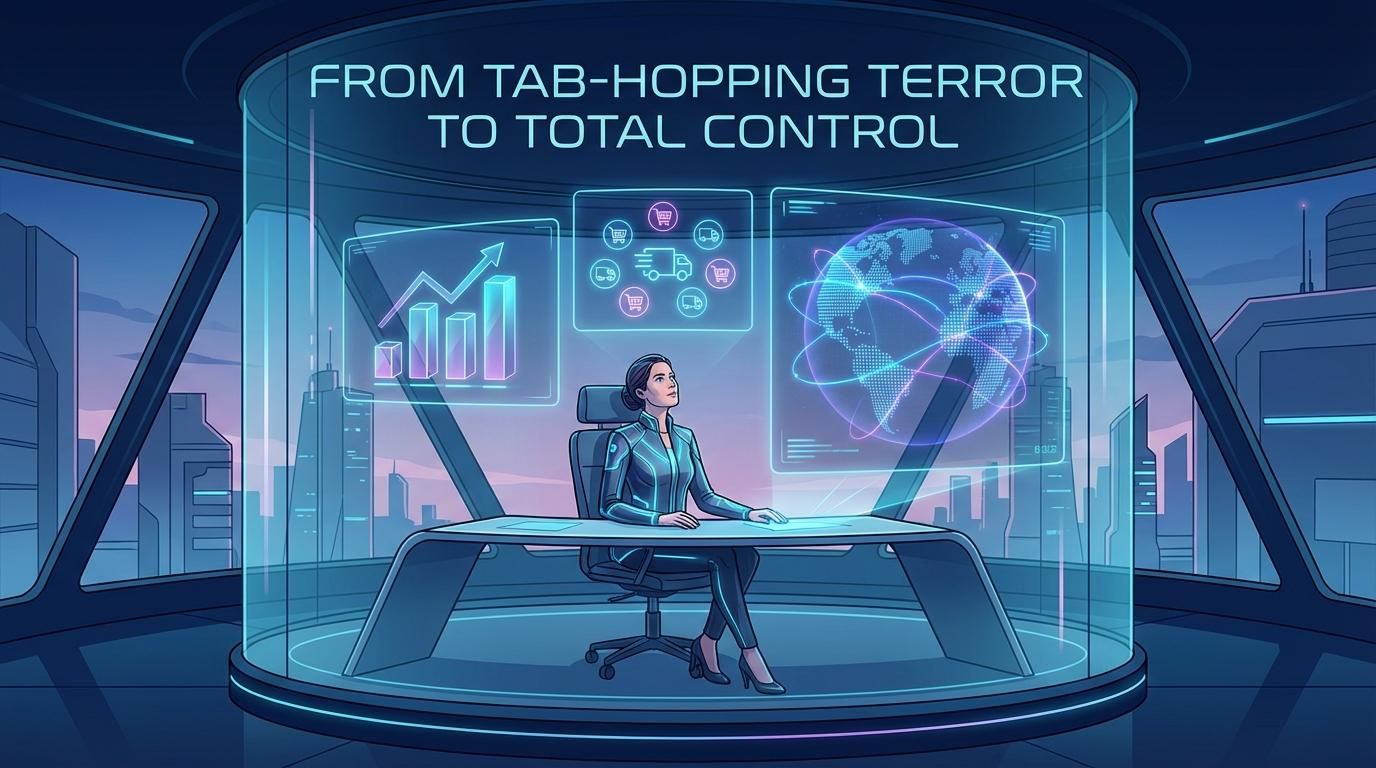
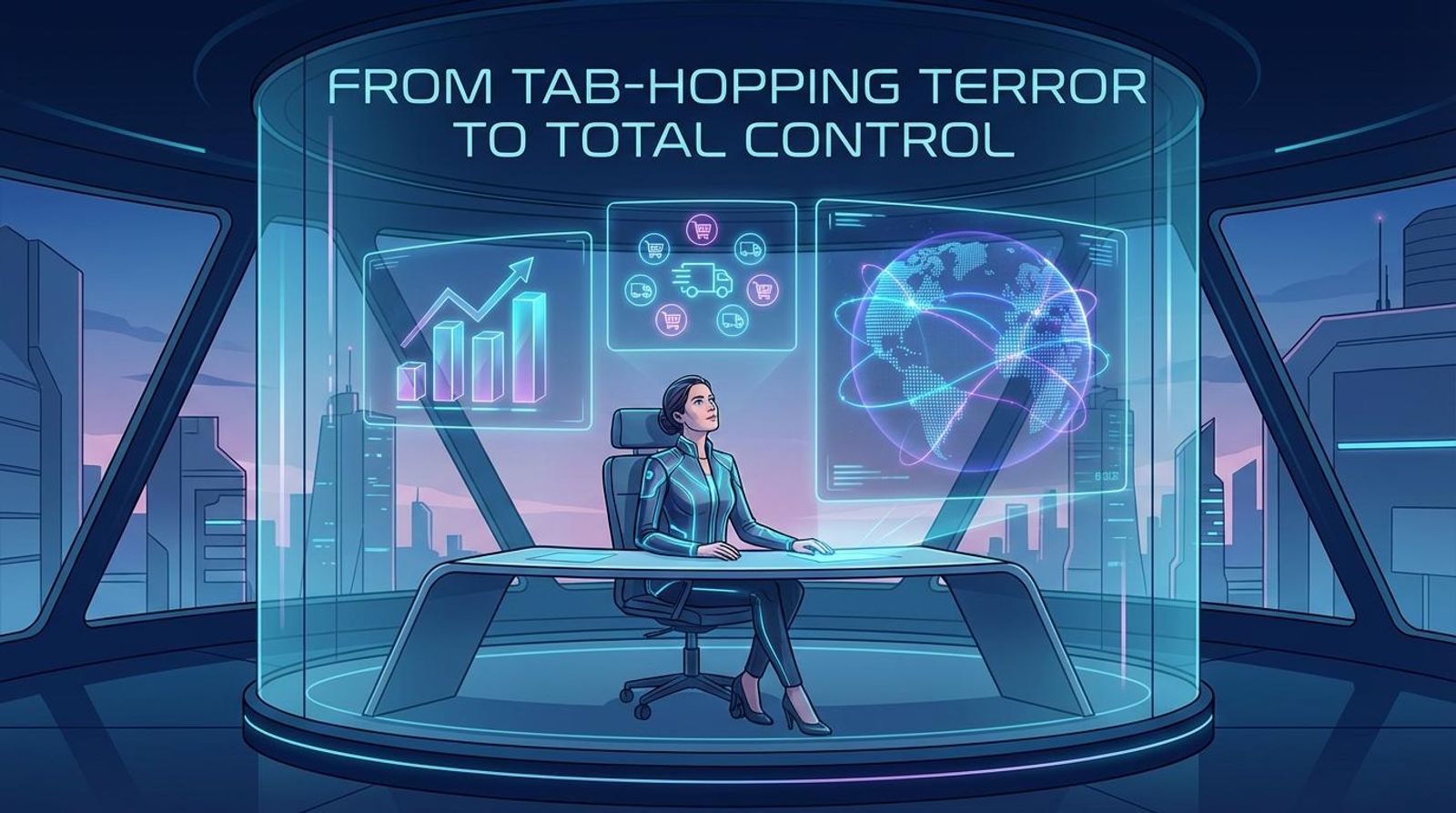
One cannot help but observe the modern e-commerce operator and see a figure resembling a digital Sisyphus. Consider the archetypal "Marketing Maria." She is not merely managing a store; she is navigating a fragmented reality composed of forty-two open browser tabs, a labyrinth of Shopify logins, and the lingering dread of the "Scaling Wall." This wall is not built of bricks, but of operational exhaustion—the point where the sheer volume of data and the friction of switching contexts makes growth a zero-sum game.
Yet, as we peer through the lens of 2026, a transformation is afoot. We are witnessing the emergence of the AI Command Center—not merely a tool, but a central "Brain." It promises to elevate the operator from a frantic technician to a high-level governor, turning the chaos of the scaling wall into the ordered ascent of a staircase.
A Genealogy of Management: From CSVs to Protocols
To understand where we are, we must reflect on the eras that preceded this moment. There was the "Stone Age"—the pre-2010s era of brutal manualism. Governance was a matter of wrestling with CSV uploads and brittle spreadsheets; a single errant cell in a price list could fracture an entire storefront. It was a time of silos and manual labor.
Then came the "Middle Ages," roughly the period between 2010 and 2024. This was the era of the unified platform, exemplified by architectures like Shopify Plus. We gained centralized infrastructure, certainly, but strategic agility remained tethered to the human hand. One still had to manually click a thousand buttons to adjust a discount across multiple regions or synchronize a marketing push. The data was unified, but the action was not.
Today, in 2025 and 2026, we have entered the Modern Era of AI Orchestration. We are no longer looking at static data. Instead, we see the rise of autonomous AI agents communicating via sophisticated protocols like the Model Context Protocol. These systems operate in "sense-plan-act" loops, managing workflows across entirely disconnected platforms—from Meta to Amazon to individual Shopify instances—with a fluidity that was previously unthinkable.
The Cockpit vs. The Window: Redefining the Interface
An intellectual distinction must be made here: the AI Command Center is not just another dashboard. A dashboard is a viewing window—a passive surface for the observation of history. A Command Center is a cockpit. It is an active orchestration layer.
Through "Unified Asset Governance," an operator can set the foundational logic for an entire portfolio of brands. One defines the parameters for ads and landing pages once, and the AI agents ensure "Ad Scent Continuity," deploying that logic across every domain while maintaining thematic consistency. This is the end of the "silo." It is the realization of a single source of truth, allowing the digital architect to finally close those forty-two tabs and focus on the meta-strategy of growth.
The Dialectic of Quality: Efficiency vs. Identity
Of course, any technological leap invites a tension of perspectives. The "Cool Kids"—the VPs of E-Commerce and CMOs—are understandably enamored with the efficiency gains. Centralized AI can resolve support tickets across diverse tech stacks and model predictive inventory with a precision that slashes operational bloat. Teams become leaner, more strategic, and less burdened by "technical firefighting."
However, there is a counter-argument: the "Sea of Sameness." There is a legitimate fear that if we outsource our brand voices to a central AI, we risk a dilution of identity. If every brand is optimized by the same overarching logic, will they all begin to sound like a generic echo of one another? The solution, it seems, lies in the synthesis: specialized LLMs fine-tuned on individual brand personas, ensuring that while the operation is centralized, the soul of the brand remains distinct and human-crafted.
The Shadow of the Black Box: Privacy and Transparency
We must also confront the controversies that haunt this new architecture. The move toward "Unified Data Lakes"—pooling customer data from disparate regions—is a legal and ethical tightrope walk. Navigating GDPR and CCPA while trying to provide cross-brand personalization is a friction point that requires more than just code; it requires a philosophy of data ethics.
Furthermore, there is the "Black Box of ROAS." Marketers are naturally suspicious when an autonomous agent shifts budget from a profitable campaign in Berlin to fund a speculative test in Tokyo without immediate explanation. This lack of transparency creates an accountability gap. It reinforces the necessity of the "Human-in-the-Loop." We still require a human hand on the steering wheel, providing the moral and strategic guardrails to prevent "tone-deaf" hallucinations or unchecked autonomy from causing irreparable brand damage.
The Horizon: Inventory Telepathy and Strategic Partnership
Looking toward the 2026–2028 horizon, the Command Center begins to look less like a tool and more like a strategic partner. We are approaching a state of "Global Inventory Telepathy," where systems forecast stockouts ninety days in advance and autonomously move physical products between international warehouses to optimize margins.
We see the potential for "Hyper-personalized Cross-Store Journeys," where a customer’s interaction with Brand A informs a perfectly tailored experience with Brand B under the same corporate umbrella, creating a seamless narrative across multiple domains.
Conclusion: The Architecture of Survival
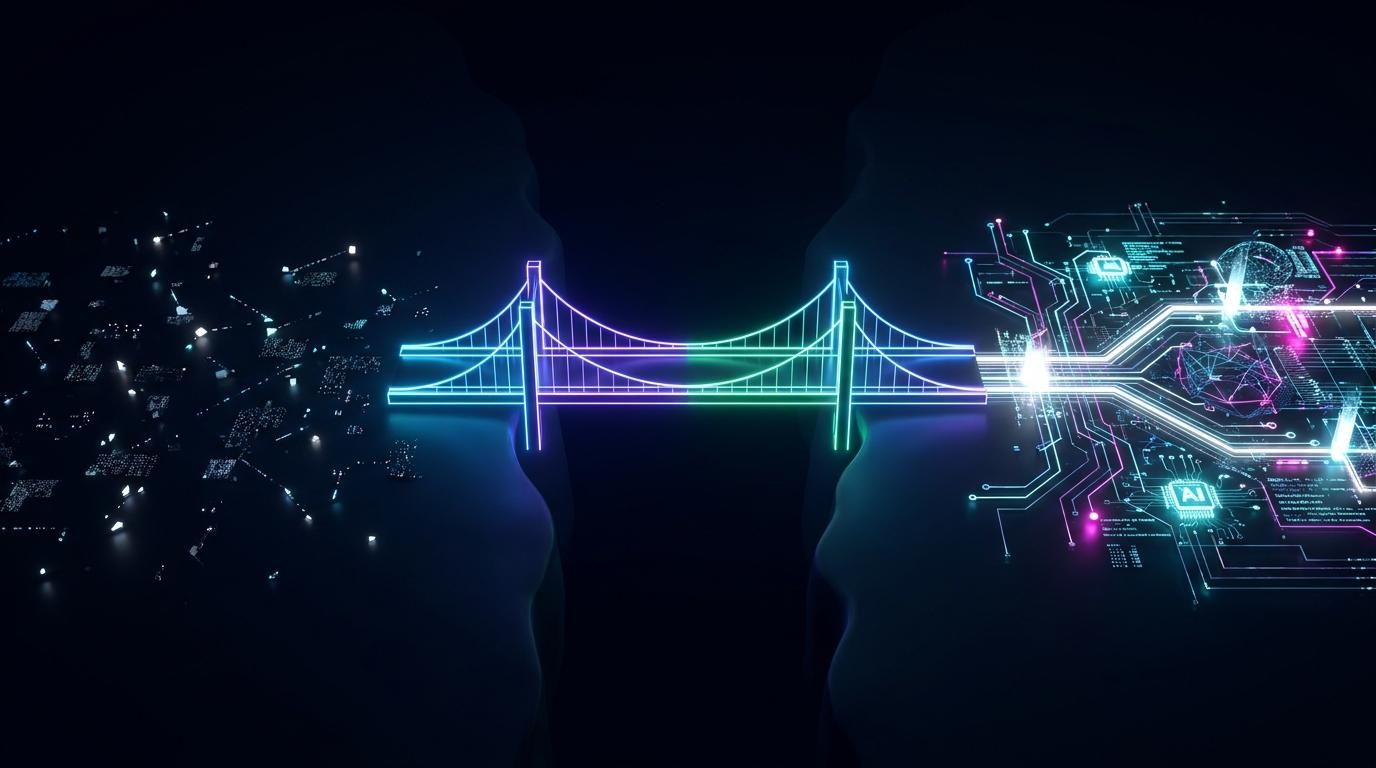
In the final analysis, the shift toward a centralized AI Command Center is not a luxury; it is a necessity for survival in the 2026 landscape. Efficiency is the new competitive edge. Those who successfully bridge the "conversion chasm" via centralized orchestration will thrive, while those stuck in the "tab-hopping terror" of the past will find themselves left behind.
The Scaling Wall is real, but it is not impassable. With one panel to rule them all, we can finally give Maria a break and allow the human mind to return to what it does best: creation, strategy, and the pursuit of the next grand idea.
Share this article
Help others discover this content